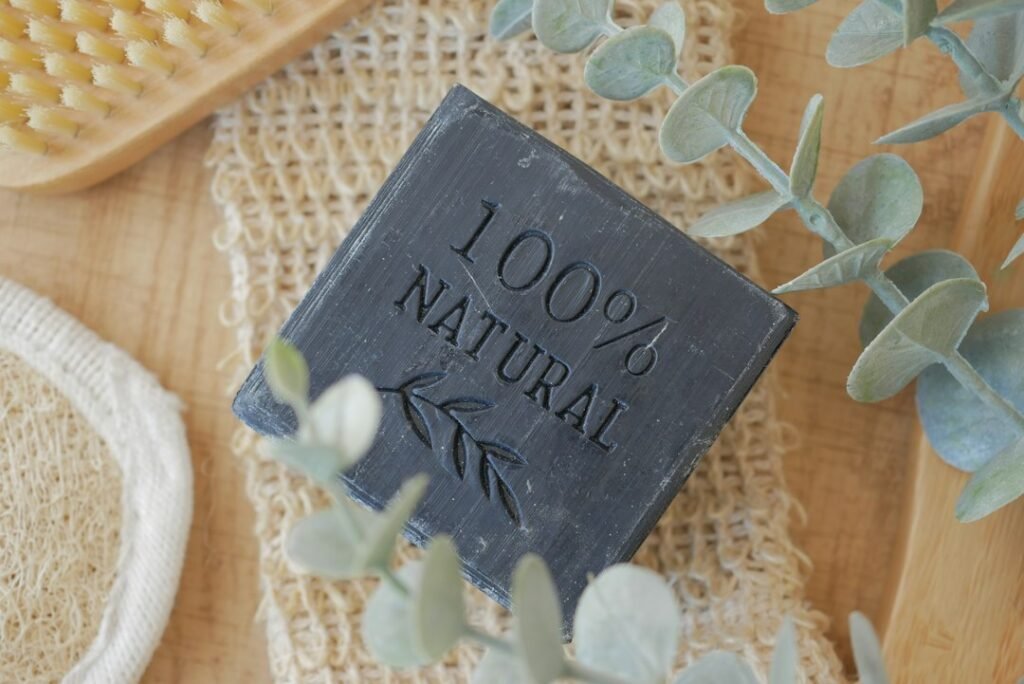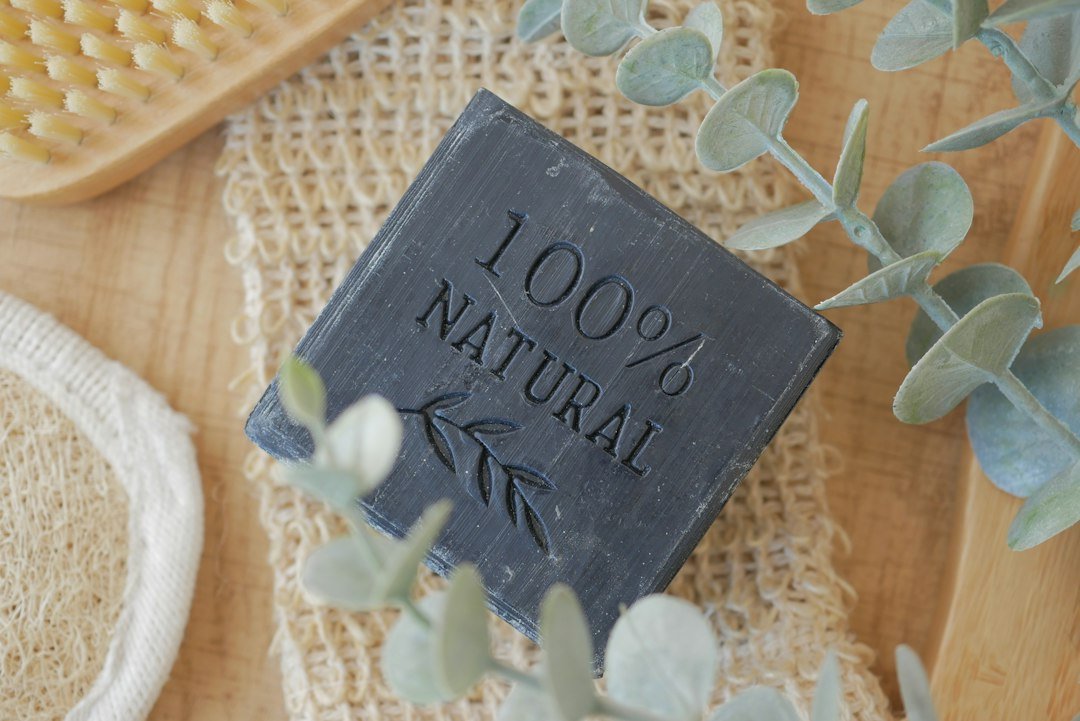
Search “charcoal soap price” and you’ll see everything from ₹40 mass-market bars to ₹400+ handmade ones. The gap isn’t marketing — it’s what’s actually inside the bar, and understanding it will save you from buying the wrong one twice.

Why Charcoal Soap Prices Vary So Much
Three things drive the price difference:
- The charcoal itself — activated charcoal (properly processed for skin) costs more than plain carbon black used as filler in cheap bars
- The base — soaps built on natural oils (coconut, orange essential oil) cost more to produce than detergent-based bars made mostly of SLS/SLES
- How it’s made — small-batch, handmade soap involves more labour and slower curing than machine-pressed mass production
A ₹40 bar and a ₹250 bar can both say “charcoal soap” on the label, but they’re not the same product.
Price differences in charcoal soap almost always come down to three things: the quality of charcoal used, whether the base is natural oil or synthetic detergent, and whether it’s handmade in small batches or mass-produced.
What a Fair Price Actually Buys You
For a genuinely natural, handmade charcoal soap in India, expect to pay somewhere in the ₹130–₹300 range for a standard bar. At that price, you should be getting:
- Real activated charcoal, not just black colouring
- A natural oil base rather than synthetic detergents
- No harsh preservatives or artificial fragrance
- A bar that lasts several weeks with regular use
Cheap vs. Handmade: The Real Cost Comparison
A ₹40 bar seems like the better deal until you account for how fast it melts and what it does to skin over time. A well-made handmade charcoal soap that lasts several weeks works out to less per wash than replacing a cheap bar twice — and your skin isn’t absorbing synthetic detergent daily in the meantime.
Which Litenatures Soap Should You Pick?
| Soap | Best For | Key Ingredient | Price |
|---|---|---|---|
| Charcoal Soap (this one) | Oily skin, deep pore cleansing, tan removal | Activated charcoal-infused oil | ₹129 |
| Anti-Aging Soap | Early aging signs, dull skin | Kumkumadi oil + Vitamin E | ₹129 |
| Aloe Vera & Neem Soap | Acne-prone, sensitive skin | Neem oil + tea tree | ₹129 |
Frequently Asked Questions
Why is handmade charcoal soap more expensive than store brands?
Handmade soap uses more raw natural oil and less filler, takes longer to cure, and is produced in smaller batches — all of which cost more than machine-made, detergent-based bars.
Is a higher price always better?
Not automatically — check the ingredient list. Price should correlate with real activated charcoal and natural oils, not just packaging.
How long does one bar last?
A good handmade bar typically lasts several weeks with daily use, depending on how it’s stored between washes.