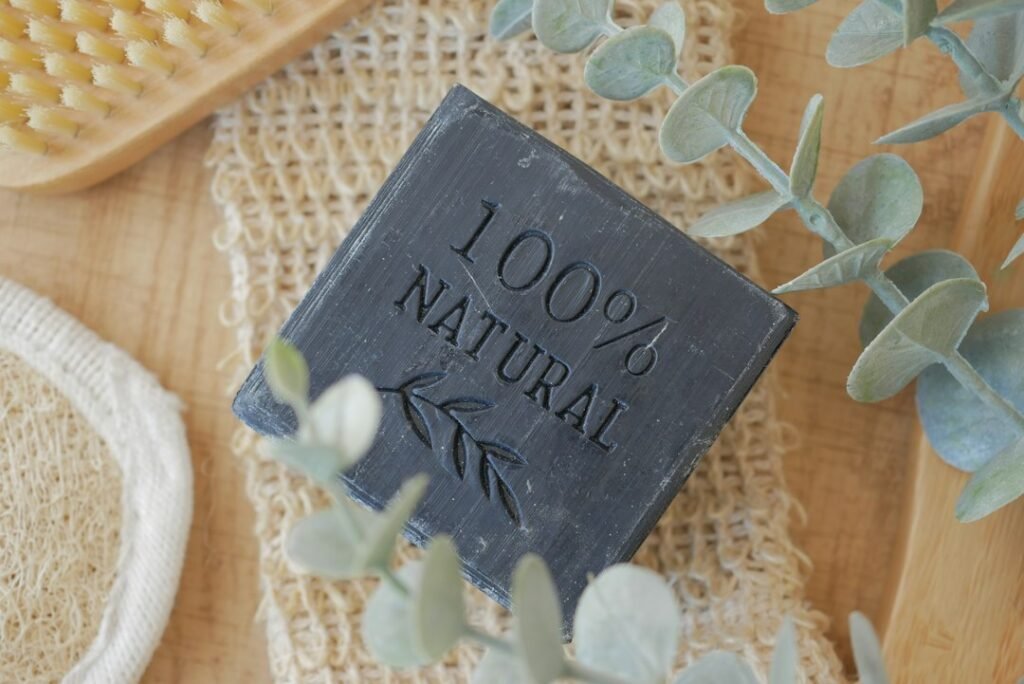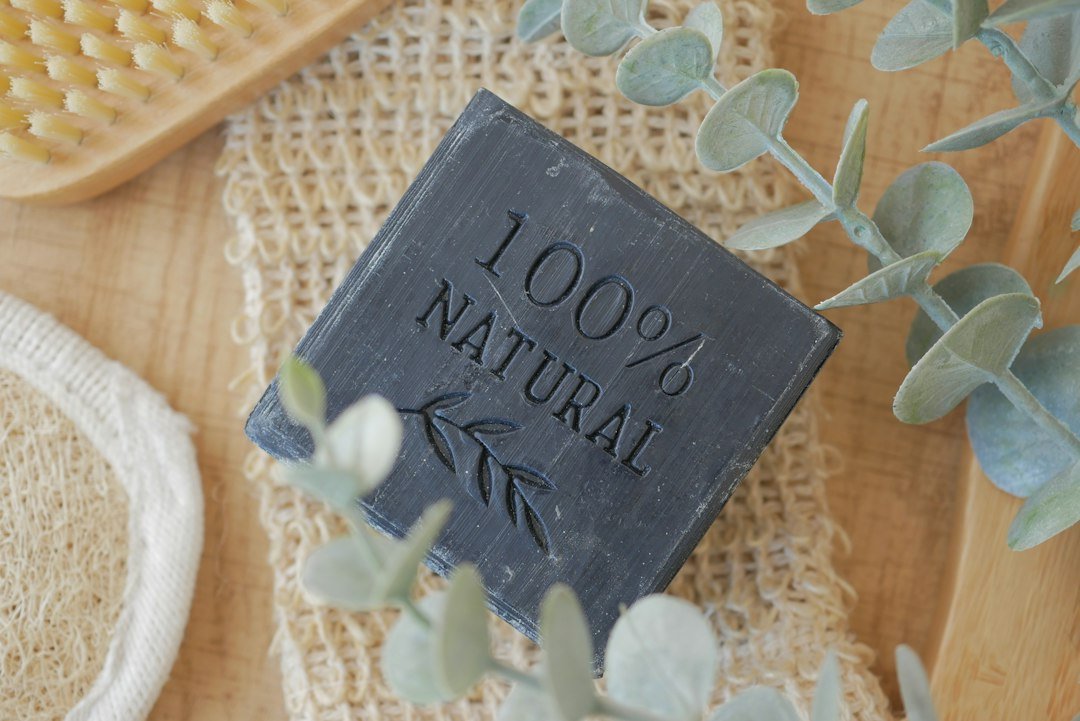
If your skin feels oily by midday no matter what you wash with, activated charcoal might be the ingredient you’re missing — not another chemical exfoliant, but a mineral that pulls impurities out of your pores the way it’s used to filter water and air.

What Makes Charcoal Soap Different
Activated charcoal is carbon that’s been treated to become extremely porous — a single gram can have a surface area larger than a football field. On skin, that porous surface acts like a magnet for excess oil, dirt, and the fine particulate that settles into pores over the course of a day in Indian cities. A regular soap cleanses the surface; charcoal soap goes a step further and draws material out of the pore itself.
Charcoal soap doesn’t just clean the surface of skin — its porous structure pulls oil and impurities out from inside the pore, which is why it works especially well for oily and pollution-exposed skin.
Who Actually Benefits From It
Charcoal soap tends to help most if you have:
- Oily or combination skin that feels greasy again a few hours after washing
- Occasional blackheads or clogged pores, especially around the nose and chin
- Skin exposed to pollution, dust, or long hours outdoors or on a commute
- A preference for a soap that leaves skin matte rather than tight and stripped
What to Look for in a Good Charcoal Soap
Not all charcoal soaps are equal. The activated charcoal itself does the detoxifying work, but the base oils determine whether your skin ends up nourished or stripped. Look for a bar built on natural oils rather than synthetic detergents (SLS/SLES), since those can undo the benefit by over-drying skin right after the charcoal has done its job.
Our Charcoal Soap is handmade with activated charcoal-infused oil, orange essential oil, and cold-pressed virgin coconut oil from our own farm — built to deep-clean without stripping natural moisture.
How to Use Charcoal Soap Correctly
- Wet your face or body with lukewarm (not hot) water to open pores
- Lather the bar between your hands rather than rubbing it directly on skin
- Massage gently in circular motions for 30–60 seconds, focusing on the T-zone
- Rinse thoroughly and follow with a light moisturiser
- Use once daily if you have oily skin, 3–4 times a week if you’re dry or sensitive
Which Litenatures Soap Should You Pick?
| Soap | Best For | Key Ingredient | Price |
|---|---|---|---|
| Charcoal Soap (this one) | Oily skin, deep pore cleansing, tan removal | Activated charcoal-infused oil | ₹129 |
| Anti-Aging Soap | Early aging signs, dull skin | Kumkumadi oil + Vitamin E | ₹129 |
| Aloe Vera & Neem Soap | Acne-prone, sensitive skin | Neem oil + tea tree | ₹129 |
Frequently Asked Questions
Does charcoal soap lighten skin?
It won’t change your natural skin tone, but by removing dead surface cells, excess oil, and tan buildup, it can make skin look brighter and more even over time.
Can I use charcoal soap every day?
Yes, if your skin is oily. If it’s dry or sensitive, alternate with a gentler cleanser to avoid over-drying.
Is charcoal soap good for acne?
It can help by keeping pores clearer and reducing excess oil, though it works best alongside a consistent routine rather than as a standalone acne treatment.